

Leader of filteration and Separation Technology
Hot Gas Filtration


Coalescer
Coalescer filter elements are high-performance filtration components designed to efficiently separate liquid aerosols, water droplets, and fine particulate contaminants from gas and liquid process streams. Widely used throughout the oil and gas industry, these elements play a critical role in protecting downstream equipment, improving product quality, and maintaining reliable process operation.
Using advanced coalescing media, microscopic liquid droplets are captured and merged into larger droplets, which then separate from the process stream under gravity. This highly efficient separation mechanism minimizes carryover, reduces maintenance requirements, and enhances the overall performance of filtration systems.
Manufactured from premium filtration media and corrosion-resistant materials, coalescer filter elements are designed to withstand demanding refinery, petrochemical, and natural gas processing conditions while providing long service life, low pressure drop, and high contaminant removal efficiency.
Coalescer
Coalescer filter elements are high-performance filtration components designed to efficiently separate liquid aerosols, water droplets, and fine particulate contaminants from gas and liquid process streams. Widely used throughout the oil and gas industry, these elements play a critical role in protecting downstream equipment, improving product quality, and maintaining reliable process operation.
Using advanced coalescing media, microscopic liquid droplets are captured and merged into larger droplets, which then separate from the process stream under gravity. This highly efficient separation mechanism minimizes carryover, reduces maintenance requirements, and enhances the overall performance of filtration systems.
Manufactured from premium filtration media and corrosion-resistant materials, coalescer filter elements are designed to withstand demanding refinery, petrochemical, and natural gas processing conditions while providing long service life, low pressure drop, and high contaminant removal efficiency.
Typical Applications
- Natural Gas Processing: Removal of water, hydrocarbon aerosols, compressor oil, and fine solid particles from natural gas streams.
- Fuel Gas Systems: Supplying clean, dry fuel gas to gas turbines, boilers, fired heaters, and gas engines.
- Gas Compression Stations: Protection of compressors by removing liquid carryover and oil aerosols from suction and discharge gas.
- Amine Gas Sweetening Units: Separation of hydrocarbons and entrained liquids from amine circulation systems.
- Hydrocarbon Liquid Filtration: Removal of water contamination from diesel, kerosene, condensate, LPG, and other hydrocarbon products.
- Produced Water Treatment: Coalescing dispersed oil droplets to improve oil-water separation efficiency.
- Instrument Air and Process Air Systems: Elimination of oil aerosols, moisture, and contaminants for reliable pneumatic instrument operation.
- Chemical Processing Plants: Separation of immiscible liquid phases and removal of fine liquid contaminants from process streams.
- Refinery Process Units: Protection of pumps, valves, analyzers, control valves, and heat exchangers from liquid carryover and contamination.
- Offshore and Onshore Oil & Gas Facilities: Gas dehydration, compressor protection, export gas conditioning, and utility gas filtration.
Key Features & Benefits
- High-efficiency liquid aerosol removal (typically up to 99.98%)
- Excellent water and hydrocarbon separation performance
- Low differential pressure for reduced energy consumption
- High dirt-holding capacity and extended service life
- Protects compressors, turbines, analyzers, control valves, and instrumentation
- Improves product purity and process reliability
- Reduces maintenance costs and equipment downtime
- Available in a wide range of micron ratings, dimensions, and media configurations
- Compatible with most standard coalescing filter housings
- Designed for demanding oil & gas, petrochemical, and refinery applications
Our coalescer filter elements are engineered to deliver superior separation performance, ensuring maximum equipment protection and operational reliability across upstream, midstream, and downstream oil & gas facilities.
Top Global Brands
- Parker Hannifin
- PECOFacet (Filtration Group)
- Pall Corporation
- Donaldson
- Mott Corporation
- Eaton
- Velcon Filters
- Amazon Filters
- Porvair Filtration Group
- Norman Filter Company
Industry Standards
SAMIA PALA design its products to comply with internationally recognized standards and customer specifications, including:
- ISO 29461 (air intake filtration where applicable)
- ISO 16889 (multi-pass filter performance testing)
- ASME pressure vessel requirements (for compatible housings)
- API specifications for refinery and petroleum equipment
- ASTM testing methods for filtration performance
- NACE material requirements for corrosive service

Candle Filter
Candle filter elements are high-performance filtration components designed for the efficient removal of solid contaminants from liquids and gases in oil & gas, petrochemical, and refinery processes. Their cylindrical, vertically mounted design provides a large filtration area, high dirt-holding capacity, and excellent flow characteristics, making them ideal for continuous industrial operations requiring high filtration efficiency and reliable process performance.
Manufactured from a variety of filtration media—including pleated microfiber, polypropylene, polyester, cellulose, stainless steel mesh, sintered metal, and specialty composite materials—candle filter elements are available in absolute or nominal filtration ratings to meet a wide range of process requirements. Depending on the application, they may be disposable or cleanable and reusable.
Candle filter elements are widely used to protect critical equipment, improve product quality, extend catalyst life, and maintain process reliability by removing suspended solids, catalyst fines, corrosion products, scale, and other particulate contaminants from process streams.
Candle Filter
Candle filter elements are high-performance filtration components designed for the efficient removal of solid contaminants from liquids and gases in oil & gas, petrochemical, and refinery processes. Their cylindrical, vertically mounted design provides a large filtration area, high dirt-holding capacity, and excellent flow characteristics, making them ideal for continuous industrial operations requiring high filtration efficiency and reliable process performance.
Manufactured from a variety of filtration media—including pleated microfiber, polypropylene, polyester, cellulose, stainless steel mesh, sintered metal, and specialty composite materials—candle filter elements are available in absolute or nominal filtration ratings to meet a wide range of process requirements. Depending on the application, they may be disposable or cleanable and reusable.
Candle filter elements are widely used to protect critical equipment, improve product quality, extend catalyst life, and maintain process reliability by removing suspended solids, catalyst fines, corrosion products, scale, and other particulate contaminants from process streams.
Typical Applications
- Refinery Process Filtration: Removal of particulate contaminants from hydrocarbon process streams.
- Catalyst Recovery Systems: Separation of catalyst fines from process liquids in hydrocracking, catalytic reforming, and FCC units.
- Lube Oil Filtration: Filtration of lubricating oils to protect rotating equipment and improve oil cleanliness.
- Fuel Filtration: Removal of contaminants from diesel, gasoline, kerosene, aviation fuel, and fuel oil.
- Amine and Glycol Systems: Filtration of degradation products, corrosion particles, and suspended solids in gas treating and dehydration units.
- Produced Water Treatment: Removal of suspended solids prior to discharge, reinjection, or further treatment.
- Chemical Injection Systems: Protection of pumps and dosing equipment through fine chemical filtration.
- Gas Processing Plants: Filtration of condensate, NGL, and process liquids.
- Petrochemical Plants: Product purification and process fluid filtration.
- Pipeline and Terminal Facilities: Filtration during storage, loading, and product transfer operations.
- Offshore and Onshore Production Facilities: Process liquid filtration in production and separation systems.
Key Features & Benefits
- Large effective filtration area for high flow capacity
- High dirt-holding capacity and extended service life
- Low differential pressure for energy-efficient operation
- High filtration efficiency with absolute or nominal micron ratings
- Excellent mechanical strength for demanding industrial service
- Available in disposable or cleanable reusable designs
- Wide selection of filtration media for different process requirements
- Protects pumps, valves, heat exchangers, compressors, analyzers, and other critical equipment
- Improves product quality and process reliability
- Reduces maintenance costs and equipment downtime
- Compatible with a wide range of industrial filter housings
Construction Materials
Candle filter elements are available in numerous materials to suit different operating conditions, including:
- Polypropylene (PP)
- Polyester
- Glass Microfiber
- Cellulose
- Stainless Steel 304 and 316L
- Sintered Stainless Steel
- Wire Mesh
- PTFE
- Nylon
- Specialty synthetic and composite media
Support cores, end caps, and structural components are typically manufactured from stainless steel, carbon steel, or engineering polymers depending on process requirements.
Common Applications in Oil & Gas Refineries
Candle filter elements are commonly installed in:
- Catalyst filtration systems
- Lube oil filtration packages
- Fuel filtration skids
- Amine filtration units
- Glycol filtration systems
- Produced water treatment packages
- Condensate filtration systems
- Chemical dosing packages
- Refinery process units
- Petrochemical production facilities
- Offshore production platforms
- Pipeline terminals and storage facilities
Candle filter elements provide an efficient and versatile filtration solution for critical oil & gas and refinery processes. Their high filtration efficiency, large contaminant-holding capacity, and robust construction ensure reliable protection of downstream equipment, improved product quality, and uninterrupted plant operation. Available in a wide range of media, micron ratings, and construction materials, they can be tailored to meet the specific demands of virtually any liquid or gas filtration application.
Top Global Brands
- Pall Corporation
- Mott Corporation
- BOLL & KIRCH
- Parker Hannifin
- Eaton Filtration
- GKN Sinter Metals Filters
- Porvair Filtration Group
- Filtration Group
- Purolator Advanced Filtration
- LENSER Filtration
Industry Standards
SAMIA PALA design its products in accordance with internationally recognized engineering and quality standards, including:
- ISO 9001 Quality Management Systems
- ISO 14001 Environmental Management Systems
- ISO 16889 (filtration performance testing where applicable)
- ASME Boiler and Pressure Vessel Code (for compatible filtration vessels)
- API 614 – Lubrication, Shaft-Sealing, and Control Oil Systems
- API 682 – Mechanical Seal Support Systems (where applicable)
- NACE MR0175 / ISO 15156 – Materials for Sour Service
- ASTM standards for porous metals, filtration media, and corrosion-resistant materials


Demister Pads
Demister pads, also known as mist eliminators or wire mesh mist eliminators, are highly efficient separation devices designed to remove entrained liquid droplets from gas and vapor streams in oil & gas, petrochemical, and refinery processes. Installed inside separators, knockout drums, scrubbers, absorbers, distillation columns, and other process vessels, demister pads improve separation efficiency by capturing fine liquid droplets and allowing only clean gas to pass downstream.
Demister pads operate on the principle of inertial impaction and coalescence. As the gas stream passes through the knitted wire mesh, entrained liquid droplets collide with the wire filaments, coalesce into larger droplets, and eventually drain by gravity back into the vessel. This simple yet highly effective mechanism significantly reduces liquid carryover, improves product quality, and protects downstream equipment from contamination and damage.
Manufactured from knitted wire mesh or engineered metal, plastic, or specialty alloy materials, demister pads are designed to provide high separation efficiency, low pressure drop, and long service life under demanding process conditions.
Demister Pads
Demister pads, also known as mist eliminators or wire mesh mist eliminators, are highly efficient separation devices designed to remove entrained liquid droplets from gas and vapor streams in oil & gas, petrochemical, and refinery processes. Installed inside separators, knockout drums, scrubbers, absorbers, distillation columns, and other process vessels, demister pads improve separation efficiency by capturing fine liquid droplets and allowing only clean gas to pass downstream.
Demister pads operate on the principle of inertial impaction and coalescence. As the gas stream passes through the knitted wire mesh, entrained liquid droplets collide with the wire filaments, coalesce into larger droplets, and eventually drain by gravity back into the vessel. This simple yet highly effective mechanism significantly reduces liquid carryover, improves product quality, and protects downstream equipment from contamination and damage.
Manufactured from knitted wire mesh or engineered metal, plastic, or specialty alloy materials, demister pads are designed to provide high separation efficiency, low pressure drop, and long service life under demanding process conditions.
Typical Applications
- Gas-Liquid Separators: Removal of entrained liquid droplets from natural gas and process gas streams.
- Three-Phase Separators: Improving separation efficiency of oil, gas, and water in upstream production facilities.
- Knockout Drums (KO Drums): Preventing liquid carryover into compressors, flare systems, and downstream equipment.
- Scrubbers: Efficient removal of liquid aerosols from gas streams.
- Distillation Columns: Minimizing product losses and improving separation performance by reducing entrainment between trays or packing.
- Absorbers and Strippers: Eliminating liquid carryover to improve gas treatment efficiency.
- Amine and Glycol Units: Preventing solvent carryover in gas sweetening and dehydration systems.
- Gas Processing Plants: Removal of hydrocarbon condensate and water droplets from process gas.
- LNG Facilities: Protecting cryogenic equipment from liquid entrainment.
- Offshore and Onshore Oil & Gas Facilities: Separation of liquid droplets from production gas before compression or export.
- Petrochemical and Chemical Plants: Vapor-liquid separation in reactors, process vessels, and absorption systems.
- Steam Systems: Removal of water droplets from steam to improve process efficiency and equipment protection.
Key Features & Benefits
- High liquid removal efficiency, including fine mist droplets
- Low pressure drop for energy-efficient operation
- Reduces liquid carryover and product losses
- Improves gas purity and process performance
- Protects compressors, turbines, heat exchangers, analyzers, and downstream equipment
- Minimizes corrosion, erosion, and fouling
- Simple design with no moving parts
- Long service life with minimal maintenance
- Available in custom shapes, thicknesses, and densities
- Suitable for horizontal and vertical process vessels
- Designed for high-pressure and high-temperature refinery applications
Construction Materials
Demister pads are available in a wide range of materials to suit different operating conditions, including:
- Stainless Steel 304, 304L, 316, and 316L
- Monel®
- Inconel®
- Hastelloy®
- Duplex and Super Duplex Stainless Steel
- Titanium
- Polypropylene (PP)
- PTFE (Teflon®)
- Other corrosion-resistant alloys and engineered polymers
Common Applications in Oil & Gas Refineries
Demister pads are widely installed in:
- Inlet separators
- Gas scrubbers
- Compressor suction vessels
- Flare knockout drums
- Fuel gas conditioning units
- Amine absorbers and regenerators
- Glycol dehydration units
- Distillation columns
- Fractionators
- Vacuum towers
- Steam drums
- Process separators
- LNG and gas processing facilities
Demister pads provide a reliable, cost-effective solution for gas-liquid separation in critical process applications. Their high separation efficiency, low operating cost, and robust construction make them an essential component in upstream, midstream, and downstream oil & gas facilities, ensuring enhanced process reliability, improved product quality, and effective protection of valuable process equipment.
Top Global Brands
- Koch-Glitsch
- Sulzer Chemtech
- AMACS Process Tower Internals
- Munters
- MECS (Elessent Clean Technologies)
- Kimre Inc.
- Hilliard Corporation
- Begg Cousland Envirotec
- ACS Separations & Mass Transfer Products
- RVT Process Equipment
Industry Standards
SAMIA PALA design its products in accordance with internationally recognized engineering standards, including:
- ASME Boiler and Pressure Vessel Code Section VIII
- API 12J – Specification for Oil and Gas Separators
- API 521 – Pressure-Relieving and Depressuring Systems
- ISO 9001 Quality Management Systems
- NACE MR0175 / ISO 15156 – Materials for Sour Service
- ASTM standards for stainless steels, nickel alloys, and wire mesh materials
- Client-specific EPC and refinery design specifications
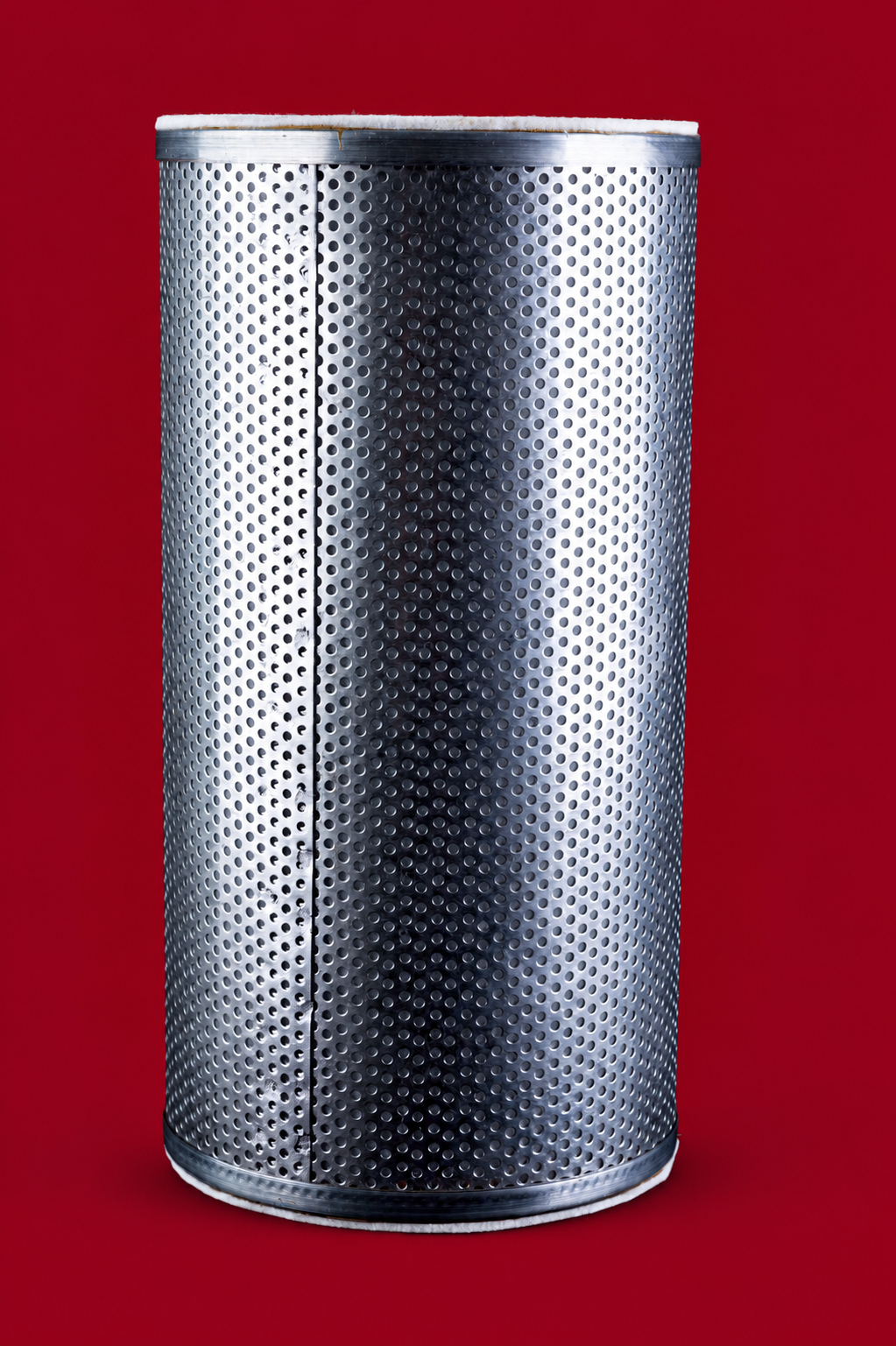

Dry Gas Filter
Dry gas filter elements are high-efficiency filtration components specifically designed to remove solid particulate contaminants from dry gas streams in oil & gas, petrochemical, and refinery applications. These filter elements provide reliable protection for critical process equipment by eliminating dust, rust, pipe scale, catalyst fines, corrosion products, and other solid particles before they reach downstream systems.
Manufactured using advanced filtration media such as cellulose, glass microfiber, synthetic fibers, or pleated composite materials, dry gas filter elements offer high dirt-holding capacity, low differential pressure, and long service life. Their robust construction ensures reliable performance under high-pressure and high-flow operating conditions commonly encountered in upstream, midstream, and downstream facilities.
Dry gas filter elements are widely used wherever clean, particulate-free gas is required to maintain equipment reliability, optimize process efficiency, and comply with industry cleanliness standards.
Dry Gas Filter
Dry gas filter elements are high-efficiency filtration components specifically designed to remove solid particulate contaminants from dry gas streams in oil & gas, petrochemical, and refinery applications. These filter elements provide reliable protection for critical process equipment by eliminating dust, rust, pipe scale, catalyst fines, corrosion products, and other solid particles before they reach downstream systems.
Manufactured using advanced filtration media such as cellulose, glass microfiber, synthetic fibers, or pleated composite materials, dry gas filter elements offer high dirt-holding capacity, low differential pressure, and long service life. Their robust construction ensures reliable performance under high-pressure and high-flow operating conditions commonly encountered in upstream, midstream, and downstream facilities.
Dry gas filter elements are widely used wherever clean, particulate-free gas is required to maintain equipment reliability, optimize process efficiency, and comply with industry cleanliness standards.
Typical Applications
- Natural Gas Filtration: Removal of solid contaminants from natural gas prior to compression, dehydration, processing, and transmission.
- Fuel Gas Systems: Protection of gas turbines, boilers, fired heaters, and gas engines by supplying clean fuel gas.
- Gas Compression Stations: Removal of dust, rust, and pipeline debris from compressor suction and discharge gas streams.
- Pipeline Gas Filtration: Protection of pressure regulating stations, metering systems, and custody transfer equipment.
- Refinery Process Gas Systems: Filtration of hydrogen, nitrogen, fuel gas, flare gas, and other process gases.
- Petrochemical Plants: Removal of particulate contamination from process gas streams to protect catalysts and process equipment.
- Instrument Air and Utility Gas Systems: Providing clean gas for pneumatic instruments, actuators, and control systems.
- Gas Distribution Networks: Filtration before pressure reduction stations and industrial gas consumers.
- LNG and Gas Processing Facilities: Final particulate removal before cryogenic processing or export.
- Offshore and Onshore Oil & Gas Facilities: Protection of production equipment, compressors, analyzers, and control valves from particulate contamination.
Key Features & Benefits
- High-efficiency removal of solid particles
- Low differential pressure for reduced energy consumption
- High dirt-holding capacity and extended service life
- Excellent mechanical strength for high-pressure applications
- Protects compressors, turbines, valves, analyzers, regulators, and instrumentation
- Improves gas quality and process reliability
- Reduces maintenance costs and unplanned downtime
- Available in a wide range of micron ratings and filtration efficiencies
- Compatible with most standard gas filter housings
- Designed for demanding oil & gas, refinery, and petrochemical environments
Dry gas filter elements provide an effective and economical solution for particulate removal in dry gas service. Their robust design and superior filtration performance ensure continuous protection of critical equipment, improved operational reliability, and enhanced process efficiency across upstream, midstream, and downstream oil & gas facilities.
Top Global Brands
- Parker Hannifin
- Pall Corporation
- PECOFacet
- Donaldson
- Filtration Group
- Eaton Filtration
- Velcon Filters
- Mott Corporation
- Porvair Filtration Group
- Norman Filter Company
Industry Standards
SAMIA PALA design its products in accordance with internationally recognized engineering and quality standards, including:
- ISO 9001 Quality Management Systems
- ISO 16889 – Multi-pass Filter Performance Testing (where applicable)
- ISO 29463 – High-Efficiency Filtration Standards (for applicable products)
- ASME Boiler and Pressure Vessel Code (for compatible filter vessels)
- API 614 – Lubrication, Shaft-Sealing, and Control Oil Systems
- API 692 – Dry Gas Sealing Systems
- NACE MR0175 / ISO 15156 – Materials for Sour Service
- ASTM standards for filtration media and corrosion-resistant materials


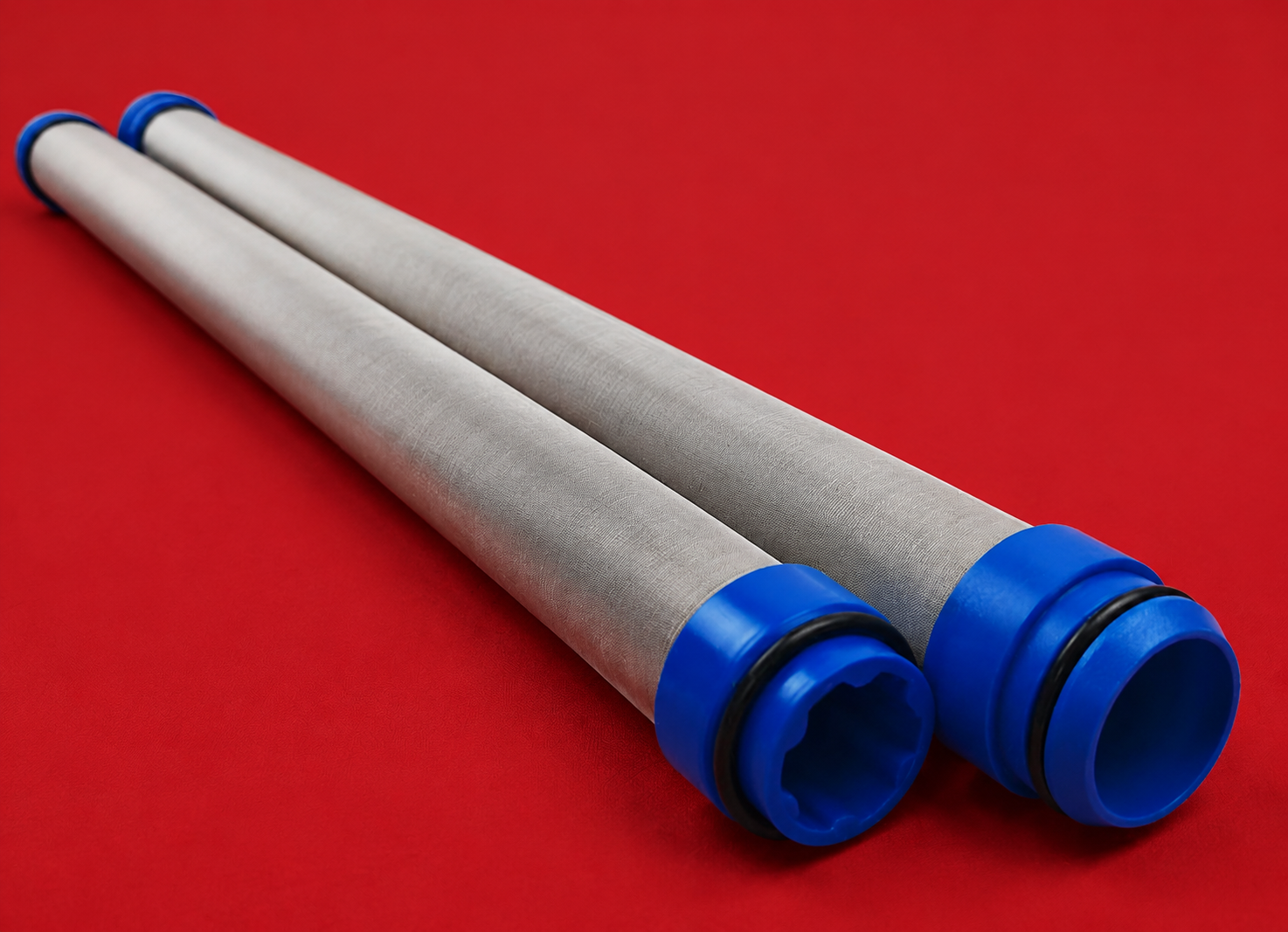
Seal Gas Filter (Sintered Wire Mesh)
Seal gas filter elements manufactured from sintered stainless steel wire mesh are engineered to provide high-efficiency particulate removal and exceptional mechanical strength in seal gas systems for centrifugal compressors used in oil & gas, petrochemical, and refinery applications. These elements ensure a continuous supply of clean, dry seal gas, protecting dry gas seals from contamination and significantly improving compressor reliability and operational safety.
Constructed from multiple layers of stainless steel woven wire mesh bonded through a high-temperature sintering process, these filter elements offer uniform pore size, excellent permeability, and outstanding resistance to pressure, temperature, and corrosion. Unlike conventional disposable filter media, sintered wire mesh elements are cleanable, reusable, and capable of maintaining consistent filtration performance over extended service periods.
Designed for critical process applications, seal gas filter elements effectively remove fine particulate contaminants such as rust, pipe scale, welding residue, catalyst fines, corrosion products, and other solid particles that may damage compressor dry gas seals or reduce sealing efficiency.
Seal Gas Filter (Sintered Wire Mesh)
Seal gas filter elements manufactured from sintered stainless steel wire mesh are engineered to provide high-efficiency particulate removal and exceptional mechanical strength in seal gas systems for centrifugal compressors used in oil & gas, petrochemical, and refinery applications. These elements ensure a continuous supply of clean, dry seal gas, protecting dry gas seals from contamination and significantly improving compressor reliability and operational safety.
Constructed from multiple layers of stainless steel woven wire mesh bonded through a high-temperature sintering process, these filter elements offer uniform pore size, excellent permeability, and outstanding resistance to pressure, temperature, and corrosion. Unlike conventional disposable filter media, sintered wire mesh elements are cleanable, reusable, and capable of maintaining consistent filtration performance over extended service periods.
Designed for critical process applications, seal gas filter elements effectively remove fine particulate contaminants such as rust, pipe scale, welding residue, catalyst fines, corrosion products, and other solid particles that may damage compressor dry gas seals or reduce sealing efficiency.
Typical Applications
- Dry Gas Seal Systems: Filtration of primary and secondary seal gas supplied to centrifugal compressor dry gas seals.
- Natural Gas Compression Stations: Protection of compressor seal gas systems in gas gathering, transmission, and distribution facilities.
- Refinery Compressors: Filtration of seal gas for hydrogen, recycle gas, fuel gas, and hydrocarbon gas compressors.
- Petrochemical Plants: Protection of dry gas seals in process gas compressors handling various chemical gases.
- LNG and Gas Processing Plants: High-purity seal gas filtration for critical rotating equipment.
- Offshore Oil & Gas Platforms: Reliable filtration under demanding offshore operating conditions.
- Pipeline Compressor Stations: Removal of particulate contaminants from seal gas before entering compressor seal systems.
- Gas Injection and Reinjection Systems: Protection of compressor seals used in gas injection operations.
- Hydrogen Compression Systems: High-efficiency particulate removal in hydrogen compressor seal gas circuits.
- High-Pressure Process Gas Systems: Clean gas supply for compressors operating in severe service environments.
Key Features & Benefits
- Multi-layer sintered stainless steel wire mesh construction
- Uniform and precise pore size distribution
- High mechanical strength and collapse resistance
- Excellent resistance to high pressure and elevated temperatures
- Superior corrosion resistance for harsh process environments
- Cleanable and reusable design for extended service life
- Low differential pressure with high flow capacity
- Excellent filtration efficiency for fine particulate removal
- Protects expensive dry gas seals from premature wear and failure
- Reduces compressor maintenance costs and unplanned shutdowns
- Compatible with high-pressure seal gas filtration systems
- Available in a wide range of micron ratings and customized configurations
Construction Materials
- Multi-layer sintered stainless steel wire mesh
- Stainless Steel 304, 316L, 904L, Duplex, or other corrosion-resistant alloys
- Welded all-metal construction
- High-strength stainless steel support core and outer protection sleeve
- Fluorocarbon, PTFE, or other sealing materials available upon request
Seal gas filter elements manufactured from sintered wire mesh provide a robust and reliable filtration solution for the protection of centrifugal compressor dry gas seal systems. Their cleanable all-metal construction, excellent mechanical integrity, and long service life make them the preferred choice for critical oil & gas, refinery, LNG, and petrochemical applications where equipment reliability and operational continuity are essential.
Top Global Brands
- Pall Corporation
- Mott Corporation
- GKN Sinter Metals Filters
- Parker Hannifin
- HYDAC
- Eaton Filtration
- Porvair Filtration Group
- Norman Filter Company
- Filtration Group Industrial
- Swift Filters
Industry Standards
SAMIA PALA design Seal Gas Filter Elements (Sintered Wire Mesh) in accordance with internationally recognized engineering and industrial standards, including:
- API 692 – Dry Gas Sealing Systems for Centrifugal and Rotary Compressors
- API 614 – Lubrication, Shaft-Sealing, and Control Oil Systems
- API 617 – Axial and Centrifugal Compressors and Expander-Compressors
- ASME BPVC – Pressure Vessel Code (where applicable)
- ISO 9001 Quality Management Systems
- ISO 2941 – Collapse and Burst Resistance Testing
- ISO 2943 – Material Compatibility Testing
- ISO 16889 – Filter Performance Evaluation (where applicable)
- NACE MR0175 / ISO 15156 – Materials for Sour Gas Service (where applicable)


Separator
Separator filter elements are specialized filtration components designed to efficiently remove liquid droplets from gas streams after the coalescing stage. In oil and gas processing facilities, separator elements are commonly installed downstream of coalescer filter elements, where they prevent re-entrainment of separated liquids and ensure the delivery of clean, dry gas to downstream equipment.
Constructed from hydrophobic and oleophobic media, separator filter elements repel water and hydrocarbon liquids while allowing gas to pass freely. As coalesced liquid droplets contact the separator media, they are effectively blocked from passing through the element and are drained by gravity to the bottom of the filter vessel. This process provides exceptional liquid removal efficiency with minimal pressure loss and long service life.
Separator filter elements are engineered to operate under demanding refinery and petrochemical conditions, providing reliable protection for critical equipment while improving process efficiency and product quality.
Separator
Separator filter elements are specialized filtration components designed to efficiently remove liquid droplets from gas streams after the coalescing stage. In oil and gas processing facilities, separator elements are commonly installed downstream of coalescer filter elements, where they prevent re-entrainment of separated liquids and ensure the delivery of clean, dry gas to downstream equipment.
Constructed from hydrophobic and oleophobic media, separator filter elements repel water and hydrocarbon liquids while allowing gas to pass freely. As coalesced liquid droplets contact the separator media, they are effectively blocked from passing through the element and are drained by gravity to the bottom of the filter vessel. This process provides exceptional liquid removal efficiency with minimal pressure loss and long service life.
Separator filter elements are engineered to operate under demanding refinery and petrochemical conditions, providing reliable protection for critical equipment while improving process efficiency and product quality.
Typical Applications
- Natural Gas Processing: Removal of water and hydrocarbon liquid droplets from natural gas after the coalescing stage.
- Fuel Gas Conditioning: Supplying clean, dry fuel gas to gas turbines, boilers, fired heaters, and gas engines.
- Gas Compression Systems: Preventing liquid carryover into compressors and downstream process equipment.
- Gas Transmission Pipelines: Protecting pipeline systems from entrained liquids and condensate.
- Gas Dehydration Units: Separation of moisture from treated gas before export or distribution.
- Refinery Process Gas Systems: Removal of liquid aerosols from hydrogen, fuel gas, and other refinery gas streams.
- Petrochemical Plants: Protection of sensitive process equipment from liquid contamination.
- Offshore Production Facilities: Separation of condensed hydrocarbons and water from produced gas.
- LNG and Gas Processing Plants: Final-stage gas conditioning prior to liquefaction or downstream processing.
- Instrument and Utility Gas Systems: Delivering clean, dry gas for reliable operation of pneumatic instruments and control systems.
Key Features & Benefits
- High-efficiency removal of liquid droplets and aerosols
- Hydrophobic and oleophobic separator media
- Prevents liquid re-entrainment into the gas stream
- Low differential pressure for energy-efficient operation
- Extends the service life of downstream equipment
- Protects compressors, turbines, analyzers, control valves, and instrumentation
- Improves gas quality and process reliability
- Long service life with excellent mechanical strength
- Compatible with standard coalescer/separator filter housings
- Suitable for high-pressure and high-flow oil & gas applications
Separator filter elements are typically used in conjunction with coalescer filter elements to provide a complete two-stage filtration system. While the coalescer element captures and combines fine liquid aerosols into larger droplets, the separator element prevents these droplets from being re-entrained into the gas stream, ensuring maximum separation efficiency and reliable protection of downstream equipment.
Top Global Brands
- Parker Velcon
- PECOFacet
- Facet Filtration Group
- Parker Hannifin
- Eaton Filtration
- Pall Corporation
- Donaldson
- Faudi Aviation
- Jonell Systems
- Swift Filters
Industry Standards
SAMIA PALA design its products in accordance with internationally recognized engineering and fuel filtration standards, including:
- EI 1581 – Specification and Qualification Procedures for Aviation Jet Fuel Filter/Separators
- EI 1598 – Aviation Fuel Monitor Elements (where applicable)
- API 1581 (legacy aviation fuel filtration specifications)
- API 614 – Lubrication, Shaft-Sealing, and Control Oil Systems (where applicable)
- ASTM D1655 – Aviation Turbine Fuels
- ASTM D975 – Diesel Fuel Specification
- ISO 9001 Quality Management Systems
- EI/JIG (Joint Inspection Group) Aviation Fuel Quality Requirements
- ATA Specification 103 – Standards for Jet Fuel Quality Control at Airports
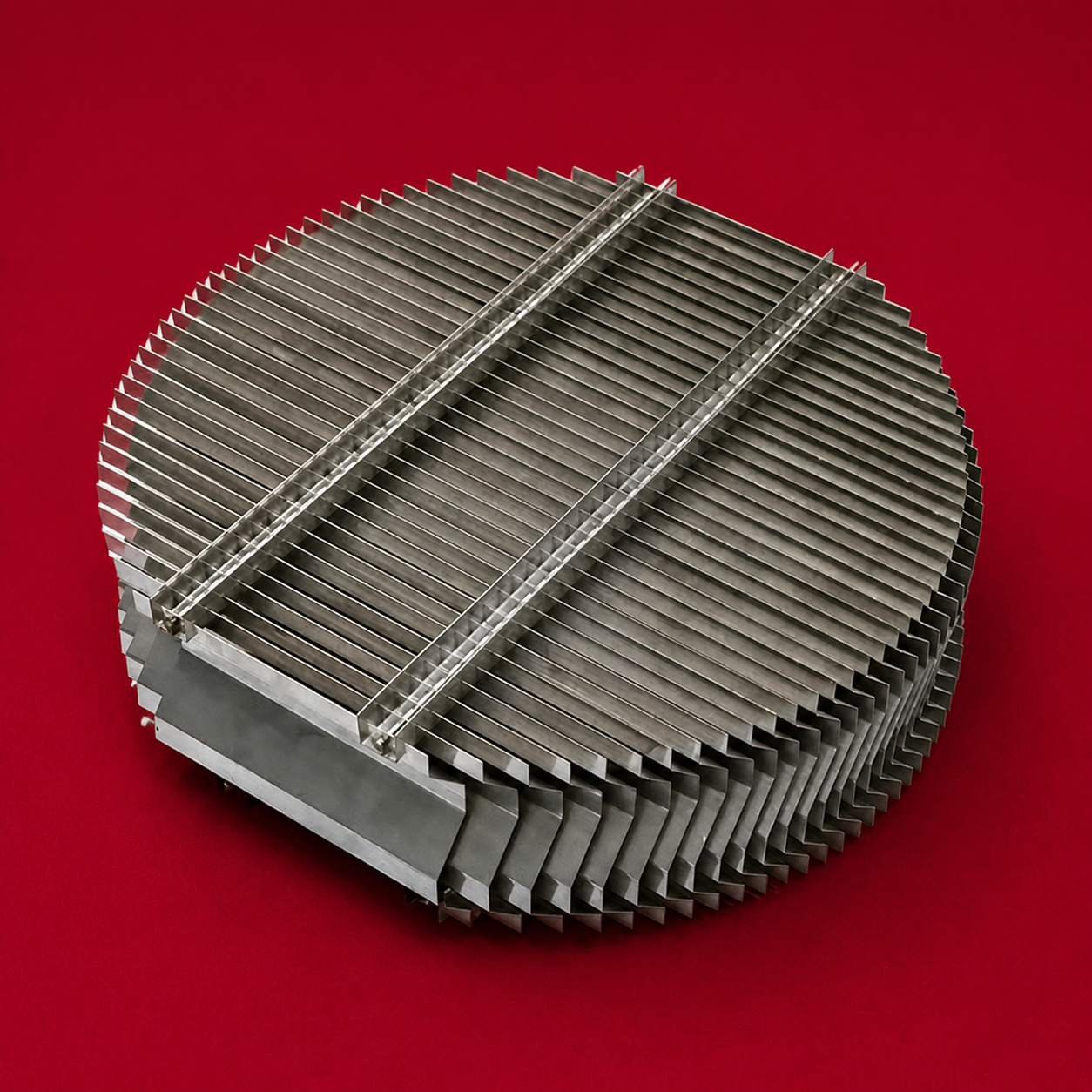

Vane Pack Mist Eliminators
Vane Pack Mist Eliminators, also known as Chevron Mist Eliminators or Vane-Type Mist Eliminators, are high-performance gas-liquid separation devices designed to efficiently remove entrained liquid droplets from gas and vapor streams in oil & gas, petrochemical, and refinery processes. Utilizing a series of precisely engineered parallel vanes, these separators change the direction of gas flow multiple times, causing liquid droplets to impinge on the vane surfaces, coalesce, and drain away under gravity.
Unlike wire mesh demister pads, vane pack mist eliminators are specifically designed to handle high gas velocities, elevated liquid loading, and applications where fouling or particulate contamination is present. Their robust construction and low pressure drop make them an ideal solution for demanding process conditions requiring reliable liquid separation and long service life.
Vane packs are widely installed in separators, knockout drums, scrubbers, compressor suction vessels, offshore production systems, and other critical process equipment where efficient removal of liquid carryover is essential for protecting downstream equipment and maintaining process efficiency.
Vane Pack Mist Eliminators
Vane Pack Mist Eliminators, also known as Chevron Mist Eliminators or Vane-Type Mist Eliminators, are high-performance gas-liquid separation devices designed to efficiently remove entrained liquid droplets from gas and vapor streams in oil & gas, petrochemical, and refinery processes. Utilizing a series of precisely engineered parallel vanes, these separators change the direction of gas flow multiple times, causing liquid droplets to impinge on the vane surfaces, coalesce, and drain away under gravity.
Unlike wire mesh demister pads, vane pack mist eliminators are specifically designed to handle high gas velocities, elevated liquid loading, and applications where fouling or particulate contamination is present. Their robust construction and low pressure drop make them an ideal solution for demanding process conditions requiring reliable liquid separation and long service life.
Vane packs are widely installed in separators, knockout drums, scrubbers, compressor suction vessels, offshore production systems, and other critical process equipment where efficient removal of liquid carryover is essential for protecting downstream equipment and maintaining process efficiency.
Typical Applications
- Gas-Liquid Separators: High-efficiency removal of liquid droplets from natural gas and process gas streams.
- Three-Phase Separators: Improving separation of oil, gas, and water in production facilities.
- Inlet Separators: Removal of bulk liquids before downstream processing.
- Knockout Drums (KO Drums): Preventing liquid carryover into flare systems, compressors, and process equipment.
- Compressor Suction Scrubbers: Protecting centrifugal and reciprocating compressors from liquid ingestion.
- Fuel Gas Conditioning Systems: Delivering clean, dry fuel gas to turbines, boilers, and fired heaters.
- Gas Processing Plants: Separation of hydrocarbon condensate and water from process gas.
- Amine and Glycol Units: Reducing solvent carryover in gas sweetening and dehydration systems.
- Distillation Columns: Controlling liquid entrainment in high-capacity column operations.
- LNG Facilities: Protecting cryogenic equipment from liquid contamination.
- Offshore Platforms and FPSOs: Reliable mist elimination under high gas throughput and challenging operating conditions.
- Petrochemical and Chemical Plants: Gas-liquid separation in absorbers, reactors, and process vessels.
Key Features & Benefits
- High liquid removal efficiency for medium and large droplets
- Excellent performance at high gas velocities
- Low pressure drop for energy-efficient operation
- High liquid handling capacity
- Resistant to fouling, solids, and viscous liquids
- Rugged construction for severe operating conditions
- Minimal maintenance requirements
- Long operational service life
- Suitable for horizontal and vertical vessels
- Available in customized vane profiles for optimized performance
- Protects compressors, turbines, heat exchangers, analyzers, and downstream equipment
- Reduces product losses and improves process reliability
Construction Materials
Vane pack mist eliminators are available in a variety of materials to meet different operating environments, including:
- Stainless Steel 304 and 316L
- Carbon Steel
- Duplex and Super Duplex Stainless Steel
- Monel®
- Inconel®
- Hastelloy®
- Titanium
- Fiber-Reinforced Plastic (FRP)
- Polypropylene (PP)
- PVC
- Other corrosion-resistant alloys and engineered polymers
Common Applications in Oil & Gas Refineries
Vane pack mist eliminators are commonly installed in:
- Inlet separators
- Production separators
- Compressor suction vessels
- Flare knockout drums
- Gas scrubbers
- Fuel gas conditioning systems
- Amine contactors
- Glycol dehydration units
- Distillation columns
- Fractionators
- Vacuum towers
- LNG process units
- Offshore production facilities
- Gas gathering and compression stations
Vane pack mist eliminators provide a highly reliable solution for gas-liquid separation in applications where high gas velocity, elevated liquid loading, or fouling conditions make conventional wire mesh demisters less suitable. Their durable construction, low pressure loss, and excellent separation performance help improve process efficiency, reduce maintenance requirements, and protect critical equipment throughout upstream, midstream, and downstream oil & gas operations.
Top Global Brands
- Koch-Glitsch
- Sulzer
- Munters
- AMACS Process Tower Internals
- MECS (DuPont Clean Technologies)
- Hilliard Corporation
- Begg Cousland Envirotec
- Kimre Inc.
- Peerless (CECO Environmental)
- ACS Manufacturing
Industry Standards
SAMIA PALA design its products in accordance with internationally recognized engineering and process equipment standards, including:
- API 12J – Specification for Oil and Gas Separators
- API 521 – Pressure-Relieving and Depressuring Systems
- API 14C – Analysis, Design, Installation, and Testing of Offshore Production Safety Systems
- ASME BPVC Section VIII – Pressure Vessels
- ISO 9001 Quality Management Systems
- NACE MR0175 / ISO 15156 – Materials for Sour Gas Service
- ASTM Material Specifications (where applicable)
- Shell DEP and major EPC engineering specifications (where applicable)